

Where do sailors live near Naval Station Great Lakes?
By Kyle Melvin · NMLS #1486450 · REV Mortgage · Licensed in Illinois ·
Short answer
The people who buy near Great Lakes are the permanent-party staff and instructors — recruits do not buy and most students do not either — and they buy in Gurnee, Waukegan and Zion for price, Libertyville, Grayslake and Lake Villa for schools and a suburban setting, and sometimes across the Wisconsin line in Kenosha for the lowest bands. Lake County, Illinois has some of the highest property tax rates in the country, and Illinois's disabled veteran exemption — which scales to a full exemption at 70% and above — changes the payment more here than in almost any other state.
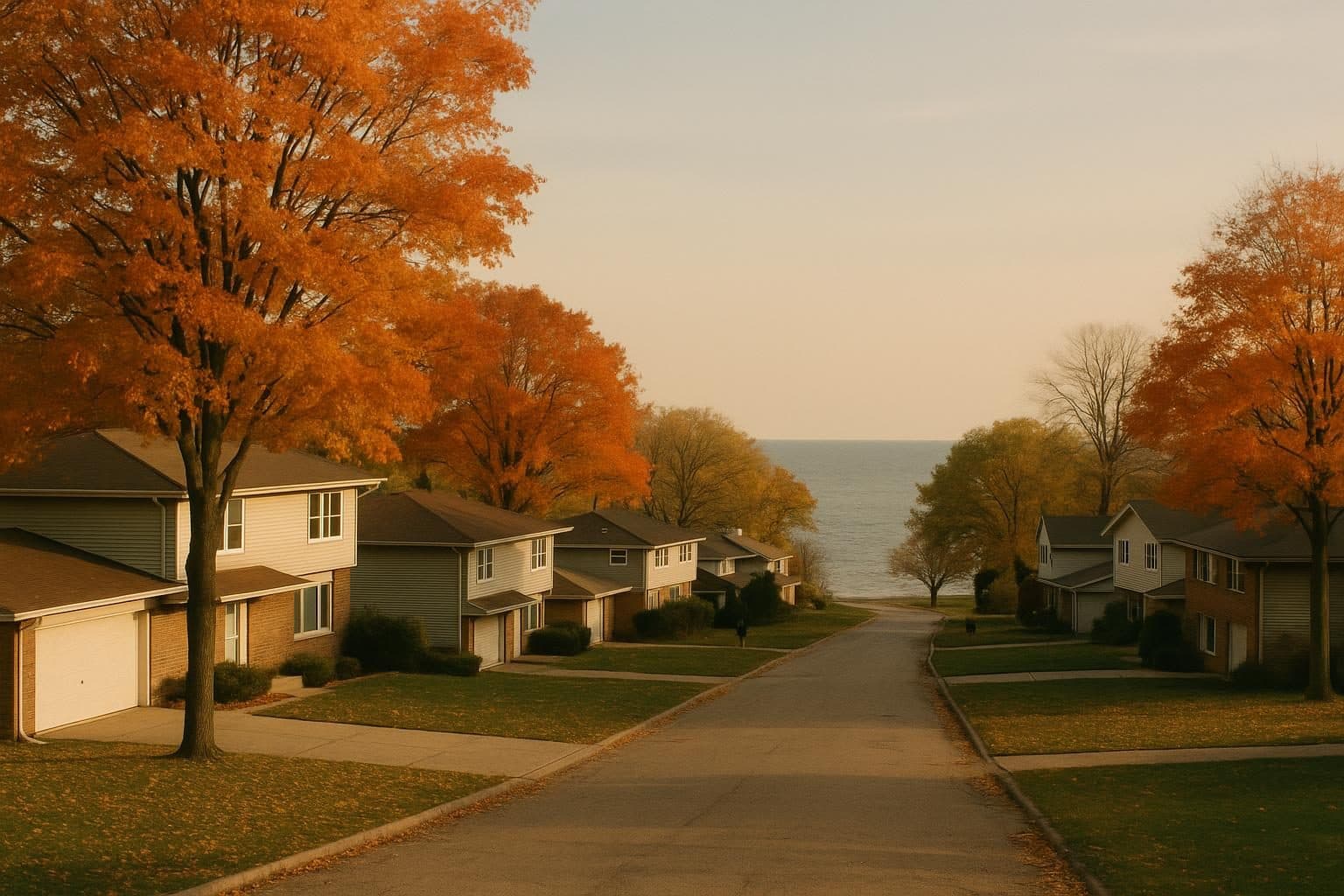
Naval Station Great Lakes is the Navy's only boot camp and one of its largest training commands, on the Lake Michigan shore in North Chicago, about forty miles north of Chicago. The population is enormous and almost entirely transient — recruits and students who live on base. The housing market is shaped by the smaller permanent-party population: Recruit Division Commanders, instructors, hospital staff and their families, mostly on short orders in a high-tax county.
Being stationed at Great Lakes
Great Lakes is the Navy's only boot camp — Recruit Training Command — plus the Training Support Center's A-schools, which means tens of thousands of recruits and students pass through every year and none of them buy houses. The buyers are the Recruit Division Commanders, instructors, staff and support personnel on two- to three-year tours, and the staff of the Captain James A. Lovell Federal Health Care Center, the joint VA–Navy hospital in North Chicago. It is a Chicago-area assignment with Chicago-area prices and Illinois property taxes, which are among the highest in the country and make the state's disabled-veteran exemption worth more here than almost anywhere. Lake County's suburbs — Gurnee, Waukegan, Libertyville — are where the staff population lives.
Where people actually live
North Chicago and Waukegan. The cities around the base. North Chicago is small and directly outside the gates; Waukegan, the county seat, is just north. Both have older 1920s-to-1970s housing at the lowest bands in the county, and both have neighborhoods that vary block by block. The commute is minutes.
Gurnee. West of the base along Grand Avenue and I-94. 1980s to 2000s subdivisions, the retail center of the county, and a mid band. Ten to fifteen minutes to the base and the default answer for a lot of permanent party.
Zion, Beach Park and Winthrop Harbor. North along Sheridan Road toward the Wisconsin line. Lower-priced than Gurnee, a mix of older and newer housing, and a short commute up Sheridan.
Libertyville, Grayslake and Lake Villa. West and southwest, along Route 137, Route 120 and Route 83. Established suburbs with the schools families move for, a higher band, and a twenty-to-thirty-minute commute. Libertyville is the premium option.
Kenosha and Pleasant Prairie, Wisconsin. Fifteen to twenty-five minutes north on I-94 or Sheridan Road. Lower prices, lower property taxes, and a different state.
Community by direction
| Community | Commute | Housing stock | What to know |
|---|---|---|---|
| North Chicago | Shortest | 1920s–1970s | Lowest band; block-by-block variation |
| Waukegan | 5–10 min | 1920s–1980s, some newer | County seat; lower band; older systems |
| Gurnee | 10–15 min | 1980s–2000s subdivisions | Permanent-party default; mid band |
| Zion / Beach Park / Winthrop Harbor | 10–15 min via Sheridan | Mixed | Lower band; near the state line |
| Libertyville / Grayslake / Lake Villa | 20–30 min | 1970s–2010s | Schools; higher band; Libertyville premium |
| Kenosha / Pleasant Prairie, WI | 15–25 min | Mixed | Different state; Illinois benefits do not apply |
Lake County property taxes
Lake County's effective property tax rates are among the highest in the country, and the tax bill is a large share of the monthly payment on any house here. The lender escrows on the actual bill, which runs through qualifying ratios. Two consequences: the same list price supports a smaller loan than it would in a low-tax state, and the Illinois disabled veteran exemption — which can eliminate the bill entirely for veterans rated 70% and above — is worth more in Lake County than almost anywhere. Compare payments, not prices, and get the tax bill before you write.
What the VA appraisal sees in Lake County
- Older stock in North Chicago, Waukegan and Zion: peeling paint on pre-1978 homes, older electrical and plumbing, roofs and boilers at end of life, and basements with water intrusion.
- Wood-destroying insects. Less prevalent than in the South, but a WDI inspection is common practice on VA purchases in Illinois.
- Wells and septic in rural Lake County west of Grayslake and Lake Villa. VA requires a water test and, typically, a septic evaluation.
- Radon. Common in northern Illinois; not a VA requirement but worth testing.
- Flood zones along the Des Plaines River and the lakeshore; flood insurance required and escrowed if in a special flood hazard area.
Stacking the state benefit
Illinois's Disabled Veterans' Standard Homestead Exemption under 35 ILCS 200/15-169 is tiered by rating: a partial exemption of equalized assessed value for 30–49% and a larger one for 50–69%, and a full exemption for veterans rated 70% or more, subject to a property-value cap. Veterans with specially adapted housing have a separate exemption. In Lake County that full exemption can remove the largest single line in the payment. The Illinois benefits page covers the tiers, the cap and the annual filing with the county assessor. The federal funding fee exemption applies at any compensable rating.
The loan side
Full entitlement means no down payment and no VA loan limit, which matters in Libertyville more than in Waukegan. A permanent-party sailor with a VA loan still open at a prior homeport is working with remaining entitlement — the second-tier scenario covers the arithmetic. If you are arriving on orders, a lender can qualify you on the orders and the Great Lakes BAH before you report; the PCS Home Buying Guide has the sequence. For a two-to-three-year instructor tour in a high-tax county with slow appreciation, the buy versus rent page is worth a hard read — this is a market where renting often wins.
Related guides
- Installation
- Naval Station Great Lakes
- Branch
- Navy
- Market
- North Chicago
- Where people live
- North Chicago · Gurnee · Waukegan
- Licensing
- Kyle Melvin is licensed in Illinois
Questions people also ask
- Who actually buys houses near Great Lakes?
- Recruit Division Commanders, instructors at the training commands, Lovell Federal Health Care Center staff and other permanent party — typically on two-to-three-year orders. Recruits in boot camp and most A-school students live on base and do not buy.
- Why are property taxes so high near Great Lakes?
- Lake County, Illinois funds schools and local government largely through property tax, and its effective rates are among the highest in the country. The tax bill runs through your escrow and qualifying ratios, so the same house costs meaningfully more per month than it would in most other base markets.
- Should I buy in Wisconsin instead?
- Kenosha and Pleasant Prairie are fifteen to twenty-five minutes north with lower prices and lower property tax rates, and a different state — different veteran exemptions, a state income tax structure of its own, and different title rules. This site's author is not licensed in Wisconsin, so the comparison is educational.
Neighborhood guides
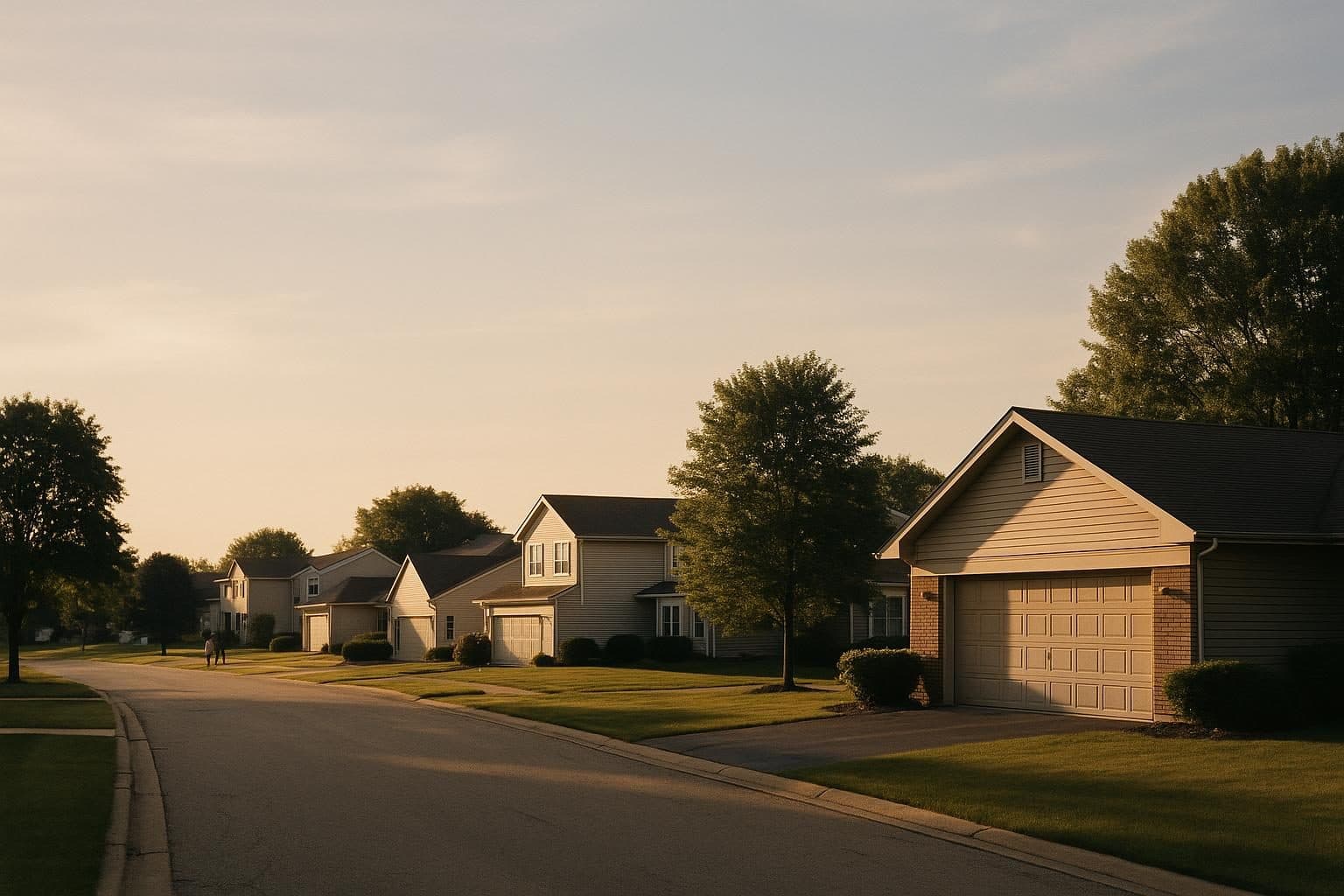 GurneeBase via Grand Ave or Route 41, 10–15 min; Chicago Loop 60–75 min or Metra from Waukegan
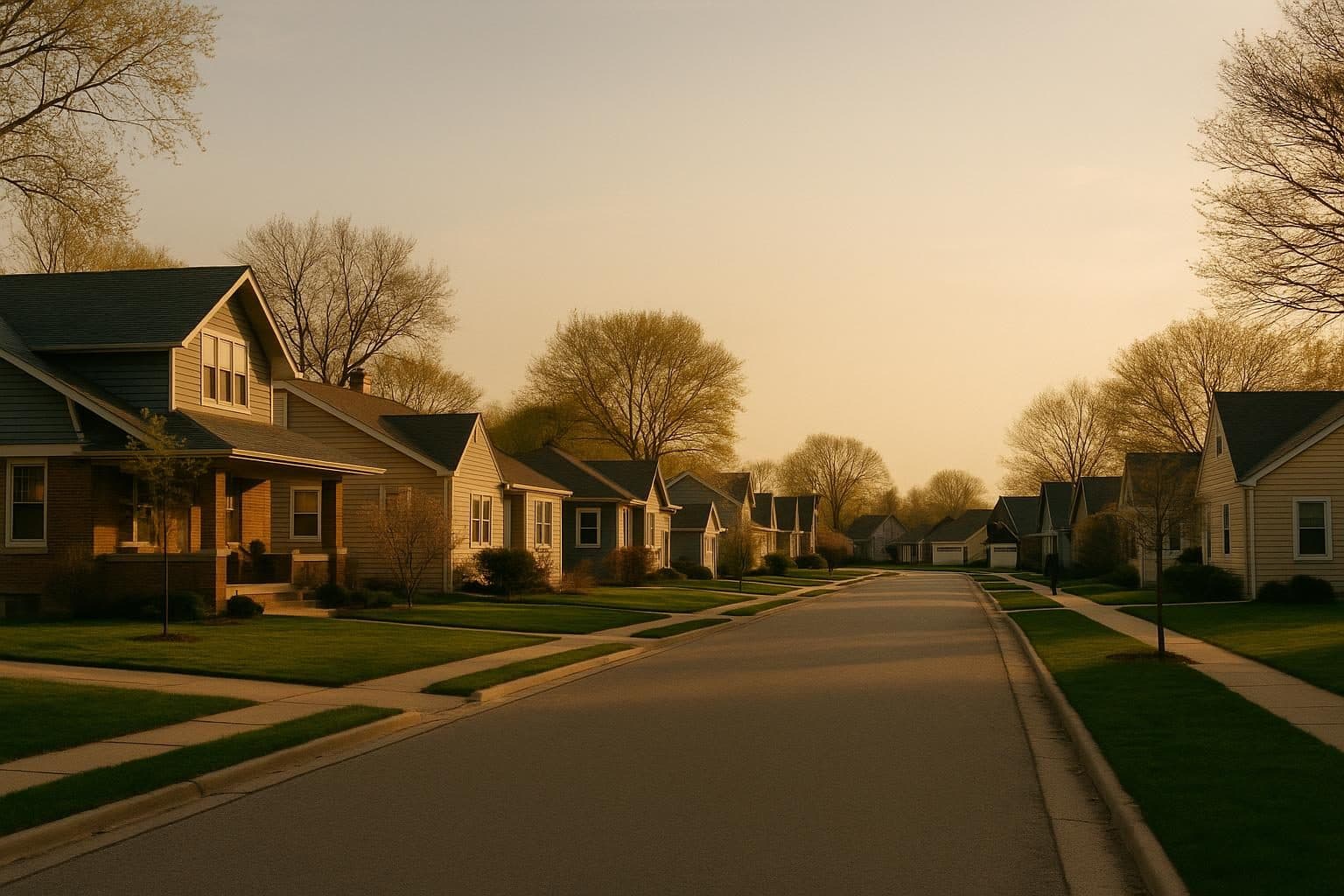 LibertyvilleBase via Route 137 (Buckley Rd), 20–30 min; Metra Milwaukee North line to Chicago from downtown Libertyville
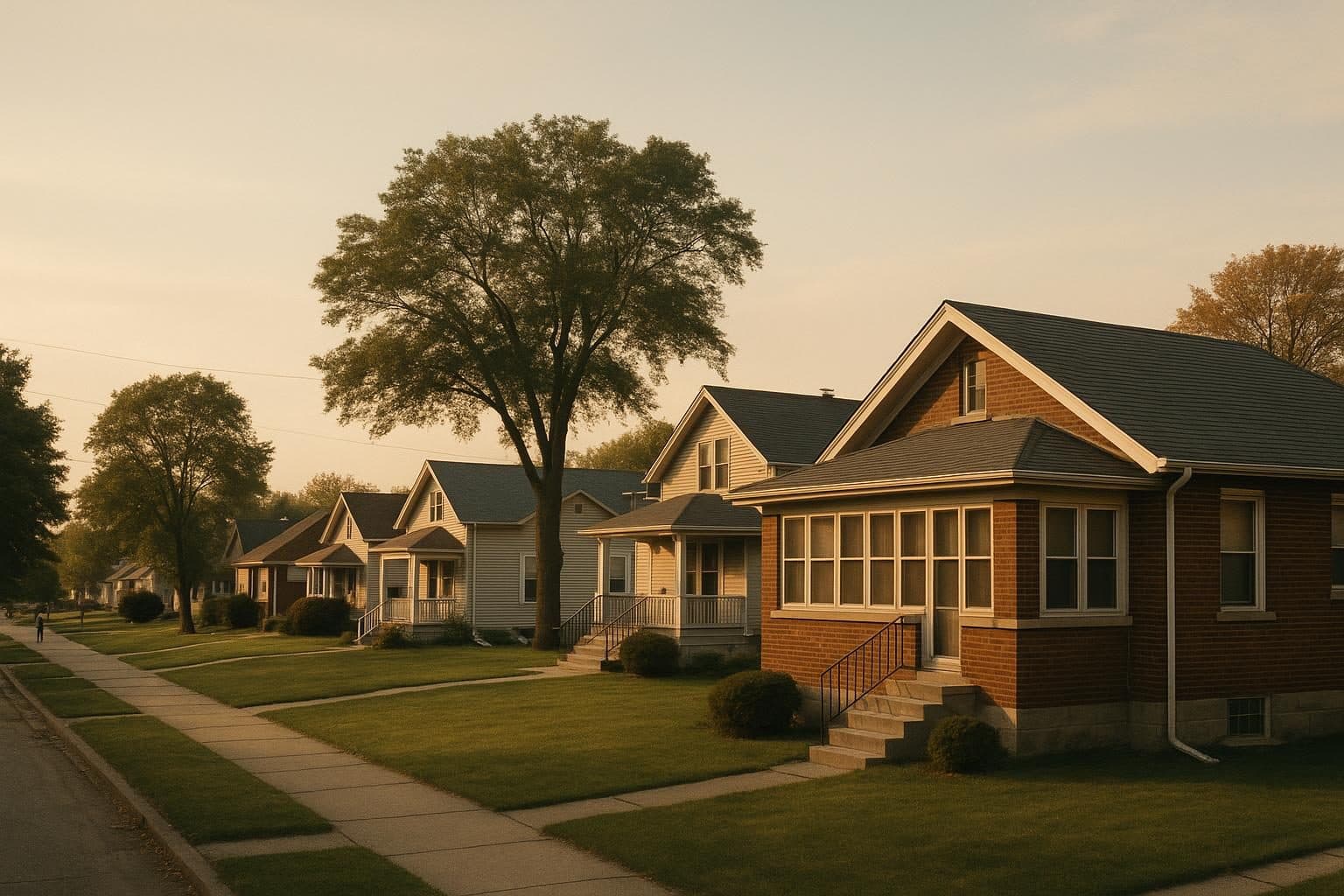 WaukeganBase via Sheridan Rd or Green Bay Rd, 5–10 min; Metra to Chicago from downtown Waukegan
Apply with Kyle
Buying near Naval Station Great Lakes?
Get pre-approved on your orders and the North Chicago BAH before house-hunting leave. Kyle closes VA loans in this market and knows which neighborhoods appraise clean.